Armor standards: EN 1063 and NIJ explained
What EN 1063 and NIJ mean and what to ask for to verify a level.
Read guide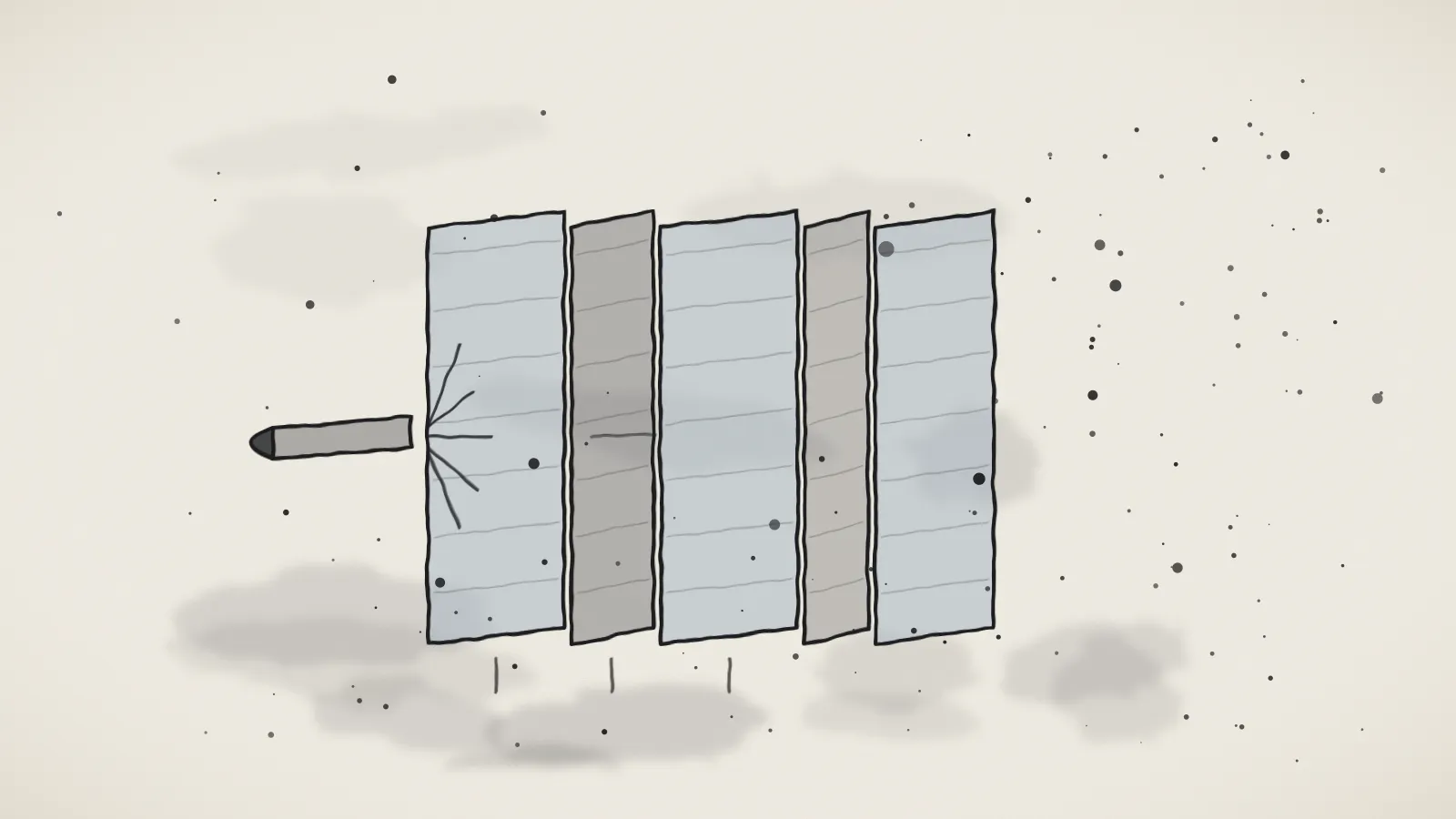
Armoring guide
Layers of glass and plastic that slow the projectile without letting fragments through.
Bulletproof glass is not just thicker glass: it is a laminate of several glass layers bonded with layers of clear plastic, such as polycarbonate. Each layer has a different job.
The outer layer, hard glass, deforms and breaks the projectile. The inner, more flexible layers absorb the remaining energy and keep fragments from reaching the cabin. The glass cracks around the impact, but the projectile stays trapped in the laminate. The illustration is a diagram: it does not show real thicknesses.
The higher the protection level, the more layers and thickness. At RGM Armor, glass ranges from 32 to 42 mm depending on the level, with good visibility (see bulletproof glass). More thickness also means more weight in each door.
Many bulletproof glass panels have a face meant to point outward. Installing them backwards reduces protection, which is why trained personnel do the installation.
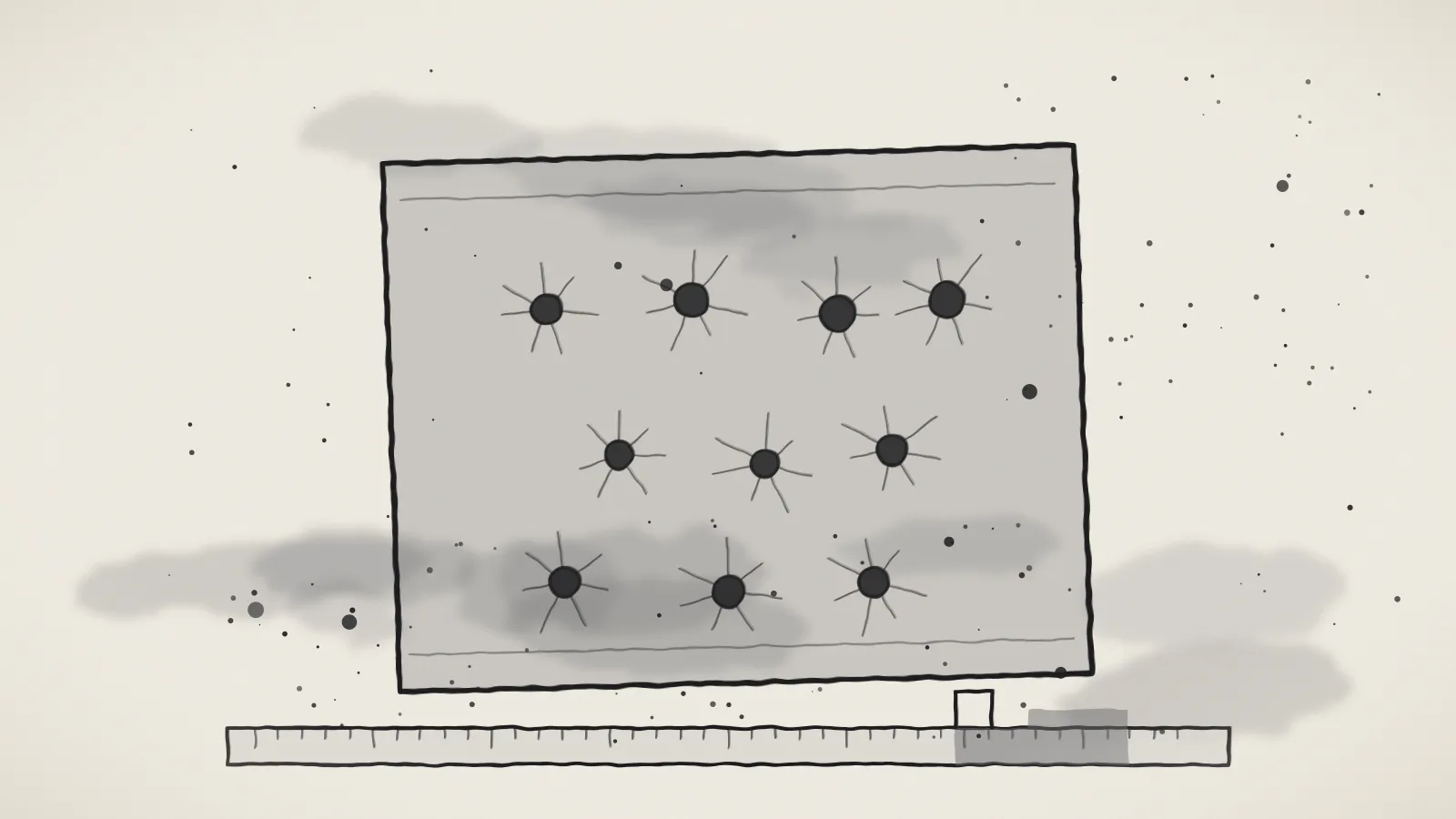
Wash the glass with water, mild soap and a clean cloth. Avoid metal scrapers, abrasive cleaners and knocks on the edges. If you see bubbles, milky spots or layers separating at the edge, ask for an inspection: it may be delamination.
Glass that took a shot should be inspected and, normally, replaced even if it looks intact. Cracks can reduce its ability to take a second hit in the same area.
Armoring guides
What EN 1063 and NIJ mean and what to ask for to verify a level.
Read guideWhat extra weight does to handling and what gets reinforced.
Read guideWhat to check on doors, glass, tires, brakes and suspension.
Read guideContact
Talk to an armoring specialist to get a quote for your vehicle or schedule a plant visit.