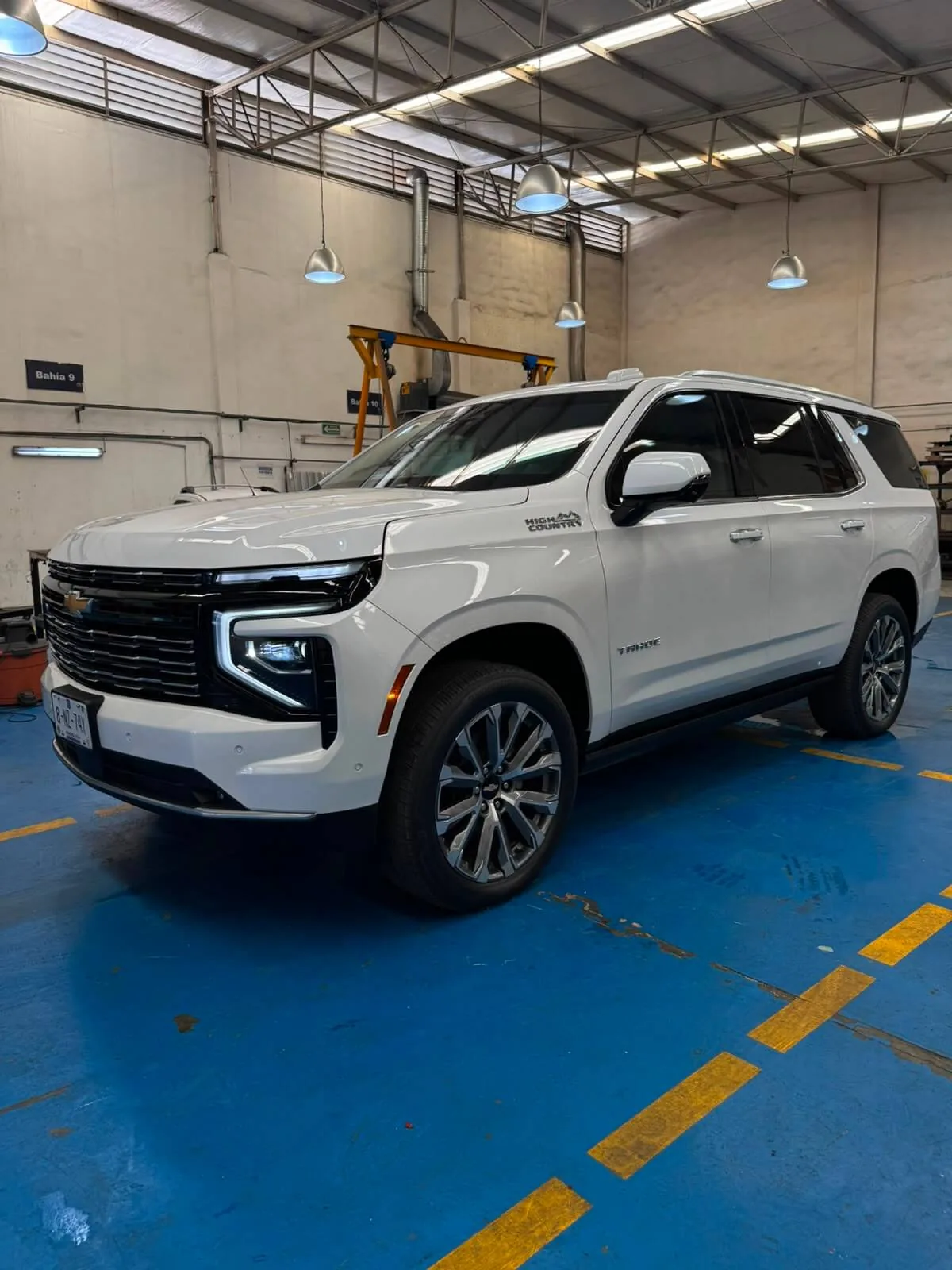
Which vehicles can be armored?
SUV, pickup or sedan: what is checked and whether to armor yours or buy an armored one.
Read guide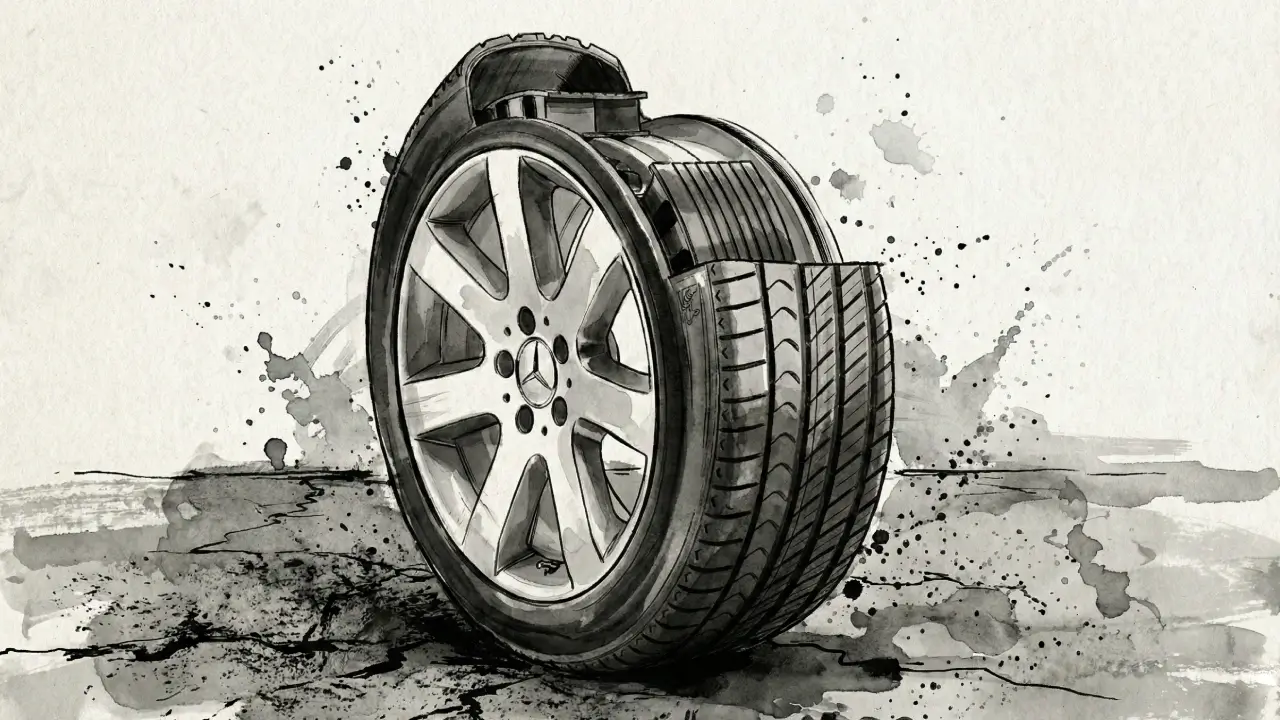
Armoring guide
What to check on doors, glass, tires, brakes and suspension.
An armored vehicle works harder than a regular one, so it wears differently. With timely checks it keeps its protection and its comfort.
Doors weigh more and the hinges carry the difference. Check that they close without effort, noise or sagging. A door that rubs or drops on the latch side needs professional adjustment.
Check the edges and the rubber seals. Moisture at the edge, bubbles or milky spots may indicate delamination. See how bulletproof glass works.
Check pressure often and respect the indicated load. If you used the run-flat system, the tire and the system must be inspected and, in most cases, replaced.
With more weight, pads, discs, springs and shock absorbers wear sooner. Move up inspections compared with the same vehicle without armor. More detail in weight, suspension and brakes.
After a hit or a body repair, ask for a check that the armor was not damaged or displaced. A conventional shop does not always know how the protection is assembled.
RGM Armor offers maintenance and after-sales service for armored vehicles. Schedule an inspection.
Armoring guides
SUV, pickup or sedan: what is checked and whether to armor yours or buy an armored one.
Read guideHow to decide between levels based on your risk and routine.
Read guideWhat armoring a car in Mexico includes and how to choose a reliable company.
Read guideContact
Talk to an armoring specialist to get a quote for your vehicle or schedule a plant visit.