Armored vehicle maintenance: what to check and how often
What to check on doors, glass, tires, brakes and suspension.
Read guide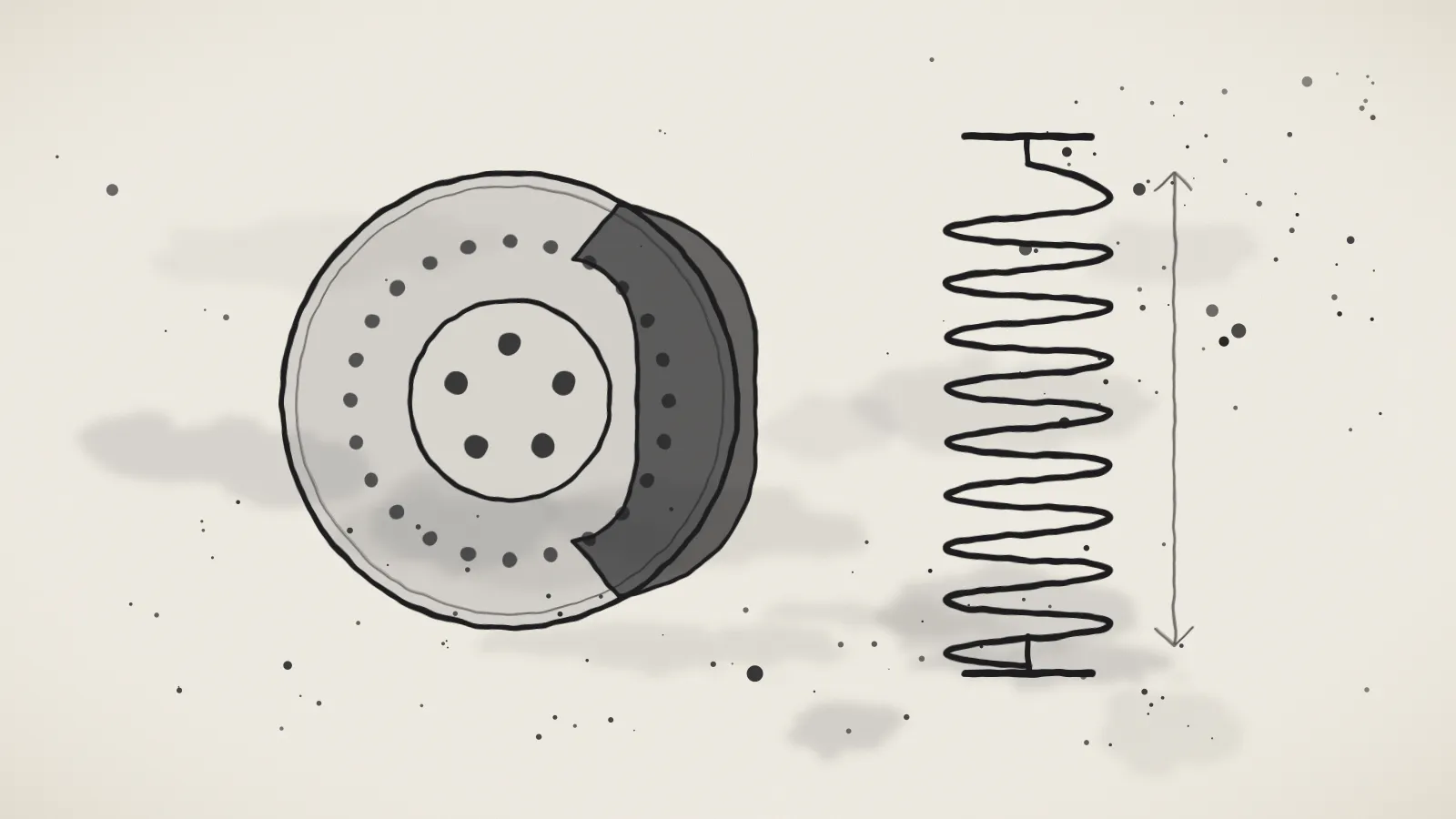
Armoring guide
What extra weight does to handling and what gets reinforced.
Armoring adds weight, and weight is felt where the vehicle meets the road: suspension, brakes and tires. Good armoring accounts for this from the design stage.
It depends on the level and the vehicle: a higher level means more material. That is why lighter materials are used where possible, such as in hybrid armor with Tensylon®, to protect with less weight.
The original springs and shock absorbers are not built for that extra weight. They are replaced or reinforced so the vehicle keeps its ride height, does not sag at the rear and stays stable in curves and over bumps.
More mass means more energy to stop. Brakes are checked and, when needed, upgraded. Even so, an armored vehicle needs more distance to stop: it is wise to leave extra space to the vehicle ahead.
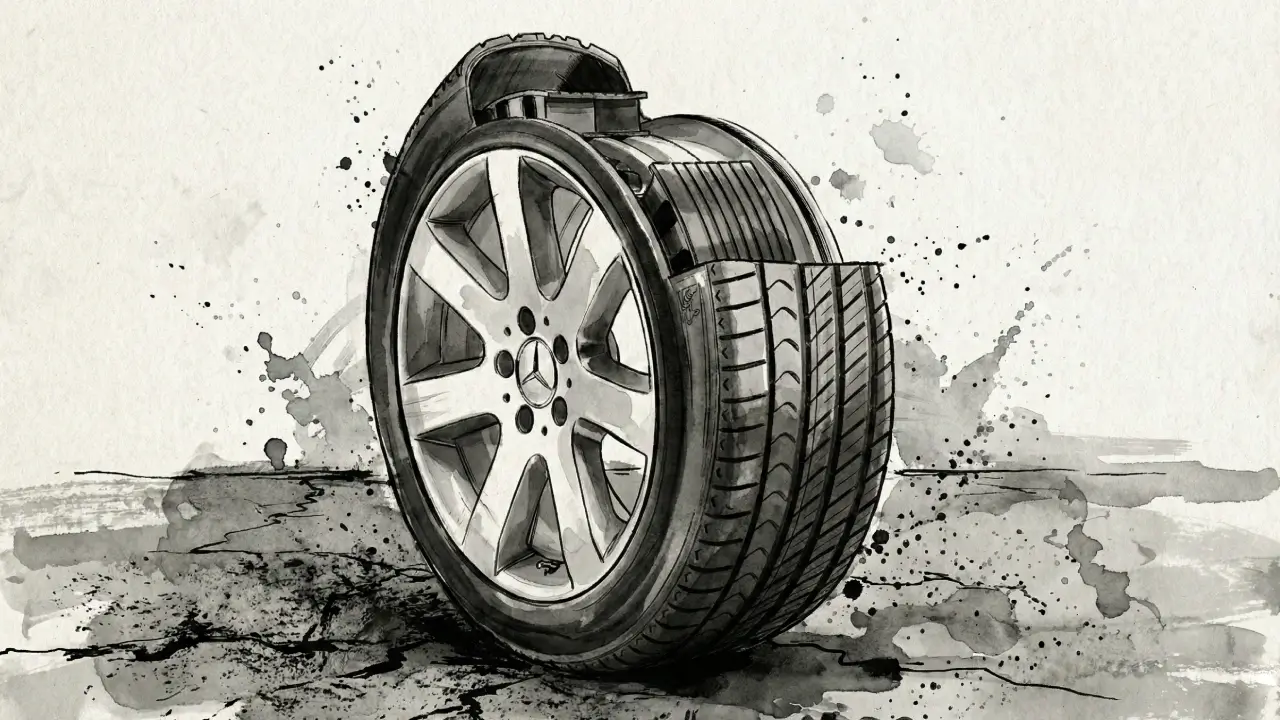
Tires must carry the load. Tires with a run-flat system let you keep going a few kilometers if they lose pressure.
The center of gravity is higher and inertia greater: take curves more slowly, avoid abrupt maneuvers and anticipate braking. With a little practice the handling becomes natural.
Armoring guides
What to check on doors, glass, tires, brakes and suspension.
Read guideSUV, pickup or sedan: what is checked and whether to armor yours or buy an armored one.
Read guideHow to decide between levels based on your risk and routine.
Read guideContact
Talk to an armoring specialist to get a quote for your vehicle or schedule a plant visit.